Beware of imposters: getringdesk.com is the only official RingDesk site.
8 min read April 23, 2026

The New AI-Driven Playbook for Service-Trade Online Discovery

It’s early morning at a small plumbing company. The owner checks their website analytics and wonders why their Google rankings haven’t budged despite months of backlink-building efforts. Meanwhile, a competitor with fewer backlinks but an active YouTube channel is popping up in more AI-driven search results. This scene is becoming common as AI reshapes how customers find local service providers. Traditional SEO metrics like backlinks and domain authority are losing some of their power.

SF
By the shop floor
RingDesk editors

Summary

  • Missed calls directly translate to lost booked work; improving intake processes increases revenue.
  • YouTube mentions have a stronger correlation with AI search visibility than traditional backlinks.
  • Short, focused videos addressing customer pain points boost both AI relevance and customer trust.
  • Balancing video content with classic SEO ensures broad search presence across human and AI platforms.
  • Tracking the impact of video and SEO efforts through analytics and customer feedback refines marketing ROI.
  • Avoid common video marketing mistakes by keeping content concise, relevant, and branded with clear calls to action.
  • The future of customer intake integrates AI receptionist technology with video content for smarter lead handling.

Facts

Published
April 23, 2026
Read time
8 min read
Word count
1,667
Topics
Booking, Marketing
Author
RingDesk editors

The intake bottleneck: missed calls and lost leads

For many service-trade businesses, the first customer contact is a phone call. Yet, a surprisingly high percentage of calls go unanswered or get sent to voicemail. This intake bottleneck can silently bleed revenue. When potential clients call after hours or during busy jobs, missing those calls often means lost booked work.

A practical example: a 10-person HVAC company tracked their missed calls over a month and found 15% were left unanswered. After implementing a simple call-forwarding system, their booked jobs increased by 8%. This shows how tightening up intake can directly impact the bottom line.

Beyond answering, the quality of intake matters. Callers want quick, clear communication about availability, pricing, and next steps. If the intake process is slow or confusing, many callers hang up or move on. Streamlining intake can involve training staff, using scheduling tools, or even AI receptionist services that handle calls consistently day and night.

The takeaway: missed calls aren’t just lost conversations, they’re lost dollars. Reducing intake friction is a foundational step before investing in broader marketing strategies.

YouTube mentions beat backlinks for AI visibility

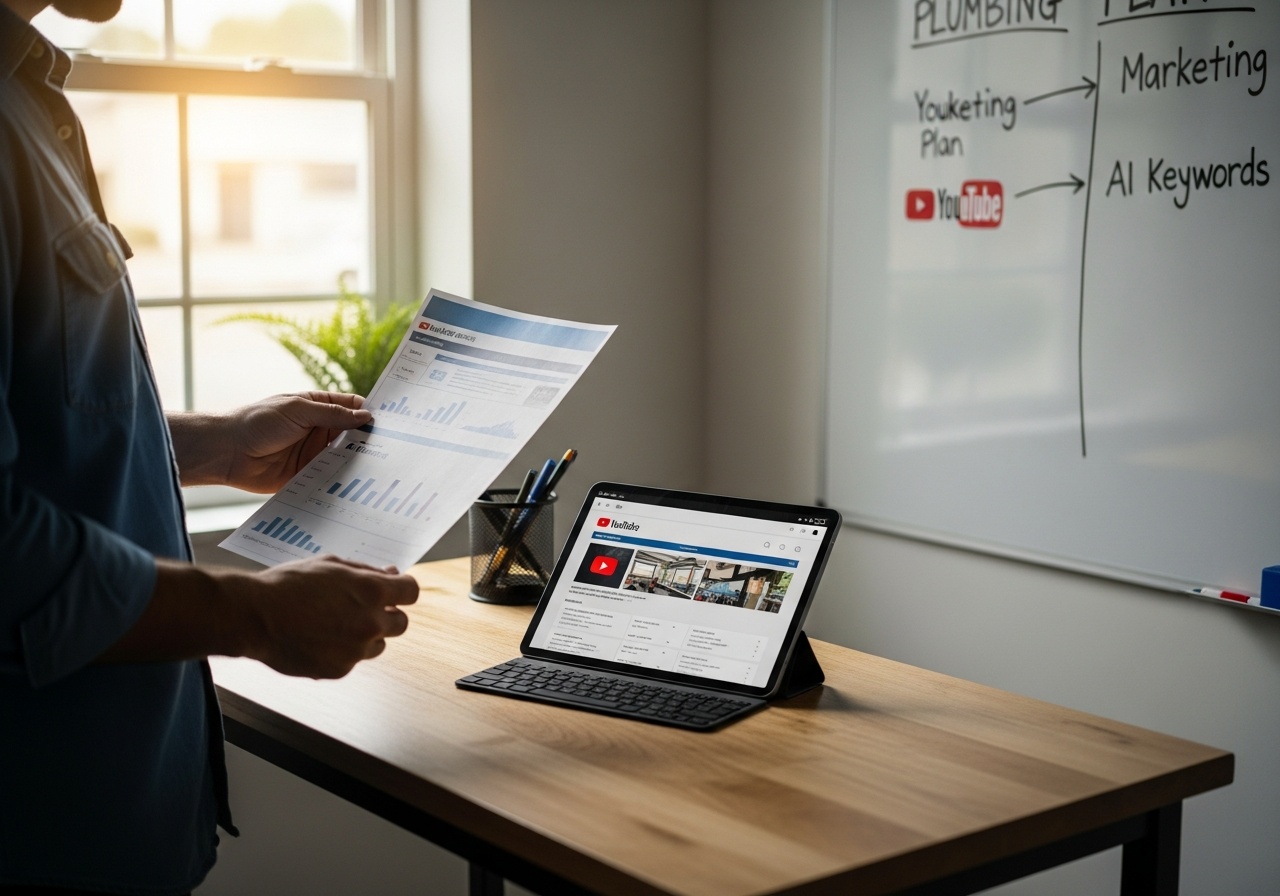
Recent research from Ahrefs reveals a surprising new leader in AI search visibility: YouTube mentions. Unlike traditional SEO, where backlinks and domain authority have been king, AI systems heavily weight video content from YouTube when generating answers or recommendations.

The correlation between YouTube mentions and AI visibility is about 0.737, far higher than backlinks or content length. This means that businesses appearing frequently in relevant YouTube videos are more likely to be surfaced by AI assistants and search engines.

Why is YouTube so influential? Both Google and AI platforms like OpenAI train their models extensively on video transcripts and metadata. Videos provide rich, contextual information that text alone often lacks. They also capture real-world demonstrations, customer testimonials, and brand personality—all factors AI values.

For a local electrician, this might mean producing short how-to videos or troubleshooting tips that mention their brand and services. Each mention adds to the digital footprint AI uses to decide relevance. Over time, these video appearances become a powerful signal that elevates search visibility beyond what backlinks alone can achieve.

Crafting video content that drives discovery

Creating YouTube videos that boost AI visibility isn’t about producing viral content. It’s about clear, focused, and consistent messaging that aligns with your services and customer questions.

Start by identifying common problems your customers face. For example, a roofing company might create videos on "How to spot roof damage after a storm" or "Roof maintenance tips for homeowners." Each video should mention your business name naturally and include keywords relevant to your service area and specialties.

Keep videos concise—many effective clips are under 5 minutes. This matches modern attention spans and increases the chance viewers watch through, which signals quality to AI algorithms.

Don’t forget to optimize video titles, descriptions, and tags with location terms and service keywords. Include links back to your website and contact info in the description to drive direct traffic.

Consistency matters. Posting one video a month is better than a burst followed by silence. Over time, this builds a library of trusted content that AI systems and potential customers can reference, improving your overall digital presence.

Balancing video with classic SEO tactics

While YouTube mentions are gaining prominence, traditional SEO still plays a critical role. Google continues to send far more traffic than AI platforms combined, so neglecting your website’s SEO could leave money on the table.

Classic SEO tactics—like optimizing page titles, meta descriptions, and local citations—ensure your website remains visible to human searchers. Backlinks still contribute to domain authority and help your site rank for competitive terms.

The key is balance. Use video content to boost AI-driven discovery and social proof, while maintaining a well-structured, keyword-rich website that serves as your business hub.

For example, include video embeds on your service pages to increase engagement and time on site. Cross-promote your videos on social media and email newsletters to amplify reach.

This integrated approach leverages the strengths of both worlds: video for AI visibility and engagement, traditional SEO for foundational search presence.

Tracking what actually moves the needle

Many service-trade businesses struggle to measure which marketing efforts deliver real results. With AI search evolving rapidly, tracking becomes even more important.

Start by monitoring your website traffic sources closely. Use tools like Google Analytics to see if visits increase from YouTube referrals or organic search. Track phone calls and booked jobs linked to video campaigns or website visits.

Consider asking new customers how they found you—did they see a video, a Google listing, or hear about you from a friend? This qualitative feedback supplements data analytics.

Also, keep an eye on AI platforms and voice search queries. Tools that analyze voice search trends can reveal new keywords or questions customers are asking.

By focusing on measurable outcomes—calls booked, jobs scheduled, revenue growth—you can refine your strategies and invest in the tactics that truly move the needle.

Avoiding common pitfalls with video marketing

Jumping into video without a plan can waste time and money. Common mistakes include producing overly long videos, lacking clear calls to action, or creating content disconnected from customer needs.

One roofing company filmed a series of 20-minute tutorials that few customers watched. Another neglected to mention their business name or contact info in videos, missing branding opportunities.

To avoid these pitfalls, script videos around specific customer questions and keep them under 5 minutes. Always end with a clear call to action—whether it’s visiting your website, calling for a free estimate, or subscribing for updates.

Use simple equipment and good lighting to maintain professionalism without overcomplicating production. Authenticity often trumps polish, especially in local service trades.

Finally, be patient. Building a video presence takes time, but consistent effort leads to compounding benefits in AI visibility and customer trust.

Tomorrow’s intake: AI and video working together

Looking ahead, the intersection of AI and video content will reshape customer intake even more profoundly. AI-powered receptionists and chatbots can reference your video library to answer common questions instantly, guiding callers to the right service or scheduling options.

Imagine a customer calling at 10 PM with a burst pipe. An AI receptionist could play a short troubleshooting video, then route the call to an emergency technician if needed. This reduces dispatcher bottlenecks and improves customer experience.

For service-trade shops, investing in structured video content today lays the groundwork for these advanced AI interactions tomorrow. The combination of clear video messaging and AI intake tools creates a seamless, efficient customer journey from discovery through booking.

Being proactive now means your business is ready for the evolving digital landscape, capturing leads 24/7 with minimal manual effort.

Common follow-ups.

Q.

Why are YouTube mentions more influential than backlinks for AI search visibility?

A.

AI systems train extensively on YouTube content, valuing video context and real-world demonstrations, which creates stronger relevance signals than backlinks alone.

Q.

How long should service-trade marketing videos be to maximize viewer engagement?

A.

Effective videos are typically under 5 minutes, balancing concise information delivery with viewer attention spans.

Q.

Can traditional SEO tactics still help if I focus on video marketing?

A.

Yes, classic SEO remains important for human searchers and complements video by maintaining foundational website visibility and authority.

Q.

What is a practical first step to improve call intake for a small service business?

A.

Implementing a reliable call-forwarding system or AI receptionist service to reduce missed calls and ensure quick customer responses.

Q.

How can I measure if my video marketing is driving new business?

A.

Track website traffic sources, monitor phone call volumes, gather customer feedback on how they found you, and analyze booked jobs linked to video campaigns.

Explore AI-powered intake solutions to never miss a call again on RingDesk.

14-day free trial. Self-serve setup. Keep your number. Cancel any time.