Beware of imposters: getringdesk.com is the only official RingDesk site.
8 min read April 23, 2026

Unlock More Booked Work by Fixing Your Intake Process

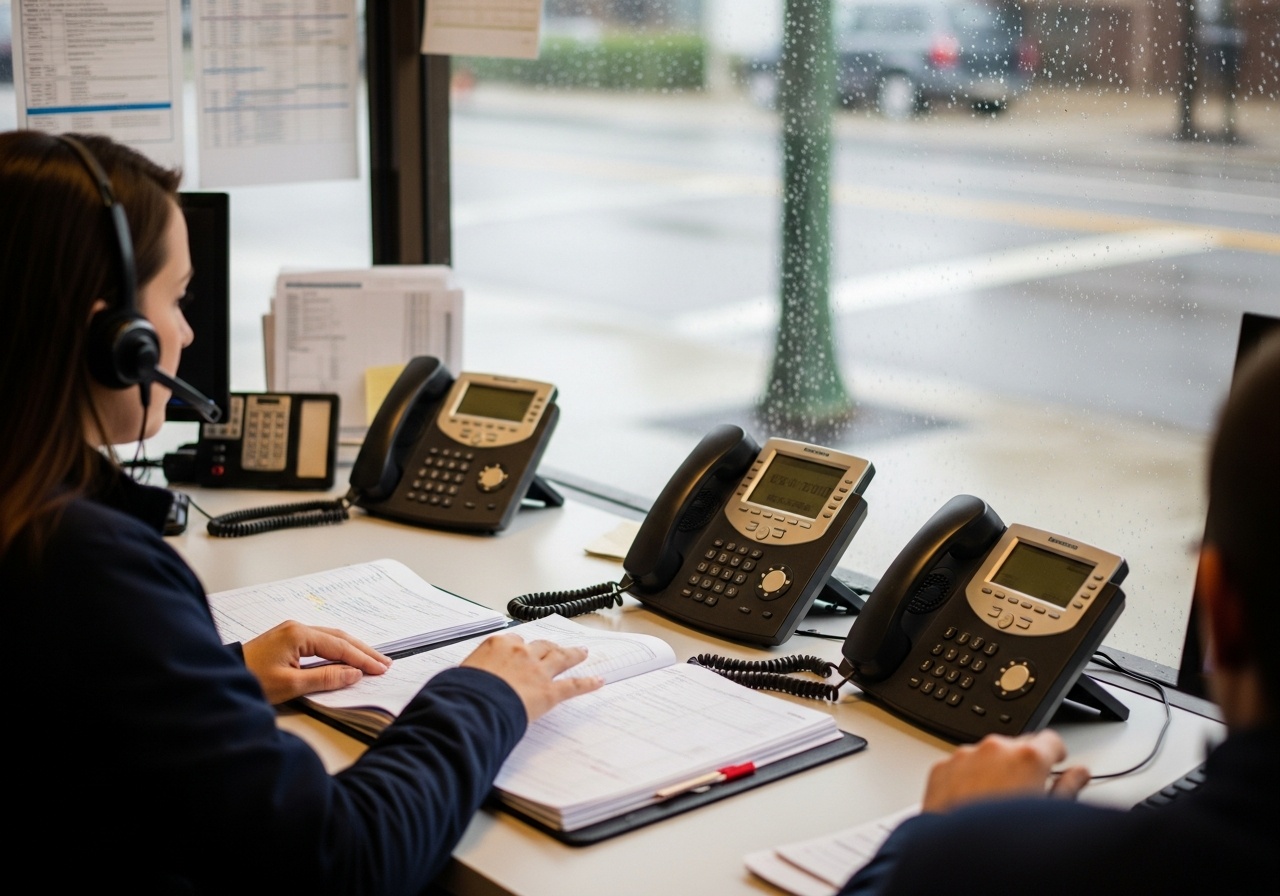
Picture this: a homeowner calls your plumbing shop on a rainy Monday morning with an urgent leak. The phone rings once, then voicemail. The call goes unanswered because your dispatcher is juggling multiple tasks or you’re on a job site without coverage. That missed call isn’t just a lost appointment—it’s lost revenue and a frustrated potential customer. In small service-trade businesses, the customer intake process often becomes the bottleneck where leads slip through the cracks.

SF
By the shop floor
RingDesk editors

Summary

  • Missed calls directly translate to lost revenue and damaged reputation in service trades.
  • Answering calls within 14 seconds significantly boosts customer confidence and booking rates.
  • Efficient call routing reduces dispatcher overload and prevents dropped calls.
  • After-hours intake solutions capture emergency leads without exhausting your team.
  • Tracking intake metrics helps identify bottlenecks and improve performance.
  • Choosing the right pricing model balances cost control with call coverage needs.
  • Overwhelmed intake staff show signs that require workload or process adjustments.
  • Consistent training and scripts ensure professional, effective customer interactions.

Facts

Published
April 23, 2026
Read time
8 min read
Word count
1,722
Topics
Intake, Booking, Marketing
Author
RingDesk editors

The Hidden Cost of Missed Calls in Small Shops

Every missed call is more than just a lost conversation; it’s lost revenue, missed referrals, and damage to your reputation. For a 3-to-15-person service-trade business, each booking can represent hundreds or even thousands of dollars in revenue. Yet, many shops underestimate how many calls they actually miss daily.

A common scenario: your dispatcher is handling calls, texts, and job schedules all at once. When the phone rings during peak job hours, it’s tempting to let it go to voicemail or hope the customer will call back later. But studies show that callers who reach voicemail are 60% less likely to book. And the longer it takes to return a missed call, the lower the chance of closing the job.

The cost isn’t just financial. Repeated missed calls lead to frustrated customers who may post negative reviews or switch to competitors. In service trades, word of mouth and reputation are critical. Every dropped call chips away at your shop’s growth potential.

The key insight: improving your intake process to catch more calls live or respond promptly can significantly increase your booked work without raising your advertising budget.

Why First-Ring Pickup Shapes Customer Perception

The moment a customer calls your shop is their first impression of your professionalism and responsiveness. Answering on the first ring or within the first 14 seconds can dramatically increase the odds of booking the job. This is sometimes called the “14-second rule” in call center best practices.

When a call is answered quickly, customers feel valued and confident that their issue will be handled efficiently. Conversely, calls that go unanswered or linger in a queue create doubt and frustration, prompting the caller to hang up or seek another provider.

For small shops, achieving this rapid pickup rate can be challenging, especially when the dispatcher is busy or the owner is on-site. However, simple steps like dedicated intake shifts, call queuing, or using an AI receptionist can bridge this gap. Even having a basic script for call handling ensures consistency and professionalism.

Tracking your average pickup time and aiming to reduce it incrementally can pay dividends in customer satisfaction and conversion rates.

Streamlining Call Routing to Reduce Dispatcher Overload

Dispatchers in small service-trade shops often juggle multiple responsibilities: scheduling, customer service, and sometimes even field coordination. When calls aren’t routed efficiently, dispatchers get overwhelmed, leading to dropped calls and slower response times.

One effective strategy is to implement a tiered call routing system. For example, urgent emergency calls can be flagged and routed immediately to the dispatcher or owner, while routine inquiries can go to a secondary line or voicemail with prompt callbacks.

Another approach is to use intelligent call routing based on caller input or AI-driven menus that gather basic information before connecting to a live person. This reduces time spent on preliminary questions and frees up dispatcher bandwidth.

Regularly reviewing call logs can reveal patterns—peak call times, common questions, or bottlenecks—that inform adjustments to routing protocols. Training your dispatcher on prioritization and using call scripts also improves efficiency.

Capturing After-Hours Leads Without Burning Out Your Team

Service calls don’t always happen between 9 and 5. Emergencies strike at night or on weekends, and potential customers expect some level of responsiveness even when your office is closed.

Ignoring after-hours calls often means losing jobs to competitors who provide 24/7 intake. But covering every call live with your small team can lead to burnout and high labor costs.

A practical solution is to implement an after-hours intake layer using technology that can answer calls, gather essential information, and schedule callbacks. This doesn’t mean replacing your team but augmenting them with tools that ensure no call goes completely unanswered.

You might also consider rotating on-call schedules or partnering with answering services that specialize in service-trade intake. The goal is to balance coverage with cost and team well-being while capturing leads that would otherwise be lost.

Measuring Intake Performance: Metrics That Matter

You can’t improve what you don’t measure. Tracking key performance indicators (KPIs) related to your intake process helps identify weak points and monitor progress.

Important metrics include:

  • Call Answer Rate: Percentage of inbound calls answered live versus going to voicemail.
  • Average Speed of Answer: How quickly calls are picked up.
  • Call Abandonment Rate: Percentage of callers who hang up before reaching a person.
  • Booking Conversion Rate: Percentage of calls that result in scheduled work.
  • After-Hours Call Volume: Number and outcome of calls outside normal business hours.

Collecting these metrics can be done with call tracking software or phone systems that provide analytics dashboards. Reviewing these figures weekly or monthly keeps your team accountable and highlights trends.

For example, a spike in abandoned calls during lunch hours might indicate the need for staggered breaks or additional coverage. Consistently low booking rates despite high answer rates may point to script or training issues.

Balancing Cost and Coverage: Flat-Rate vs. Per-Minute Intake Models

When considering how to handle intake—whether in-house, outsourced, or via AI—understanding pricing models is crucial.

Flat-rate plans bundle a set number of call minutes or seats for a fixed monthly fee. This predictability helps budgeting but requires monitoring usage to avoid overage fees.

Per-minute models charge based on actual call duration, which can be cost-effective for low volume but unpredictable during busy periods.

For small shops, a bundled plan with a clear overage rate can offer a balance: enough capacity to handle typical call volume with transparent costs if demand spikes.

When evaluating options, consider your average call length, peak call times, and after-hours needs. Also, factor in integration capabilities with your calendar or CRM to reduce manual work.

Choosing the right model ensures you don’t pay for unused capacity but also don’t miss calls because of strict limits.

Recognizing When Your Intake Staff Is Overwhelmed

Signs your dispatcher or intake team is struggling include missed calls, delayed callbacks, inconsistent messaging, and visible stress.

If your team regularly works overtime or complains about being unable to keep up, it’s a clear signal to reassess workload and processes.

Overwhelmed staff can lead to costly errors like double bookings or lost leads. It may also affect customer interactions, reducing professionalism and friendliness.

To address this, consider redistributing tasks, introducing technology aids, or hiring part-time help during peak seasons.

Regular check-ins and feedback loops with your intake staff can uncover pain points before they impact business.

Training for Consistency: Scripts and Role-Playing

A well-trained intake team delivers consistent, high-quality customer experiences that build trust.

Creating call scripts for common scenarios ensures important information is captured every time and that customers receive clear, professional communication.

Role-playing exercises help staff practice handling difficult calls, urgent requests, and objections.

Training should also cover your shop’s values, service offerings, and scheduling policies so intake staff can confidently answer questions.

Regular refresher sessions keep skills sharp and integrate feedback from real calls to improve performance.

Investing in training reduces errors, increases booking rates, and makes your team more resilient.

Common follow-ups.

Q.

What is customer intake in a service-trade business?

A.

Customer intake is the process of answering incoming calls, gathering job details, and scheduling service appointments.

Q.

How can I reduce missed calls during busy job hours?

A.

Implement call routing, use an intake assistant, or schedule dedicated intake shifts to ensure calls are answered promptly.

Q.

Why is after-hours intake important for small shops?

A.

After-hours intake captures emergency calls and potential leads when your office is closed, preventing lost business.

Q.

What metrics should I track to evaluate my intake process?

A.

Track call answer rate, average speed of answer, call abandonment rate, booking conversion rate, and after-hours call volume.

Q.

How do flat-rate and per-minute intake pricing models differ?

A.

Flat-rate plans include a set number of minutes for a fixed fee, while per-minute charges depend on actual usage, affecting predictability.

Q.

What are signs my intake staff is overwhelmed?

A.

Missed calls, delayed callbacks, inconsistent messaging, and staff stress indicate overload.

Explore AI-powered intake solutions to never miss a call again on RingDesk.

14-day free trial. Self-serve setup. Keep your number. Cancel any time.